
How to Choose Car Trunk Organizers: A Practical Buying Guide
A good purchase begins with a clear description of the job you need an item to do. With a car trunk organizer, the most useful details are often less dramatic than the headline: the construction, the fit, the included pieces, and the instructions that make everyday use manageable. This guide explains how to turn a long list of features into questions you can answer before choosing a model.
A closer look at this product category
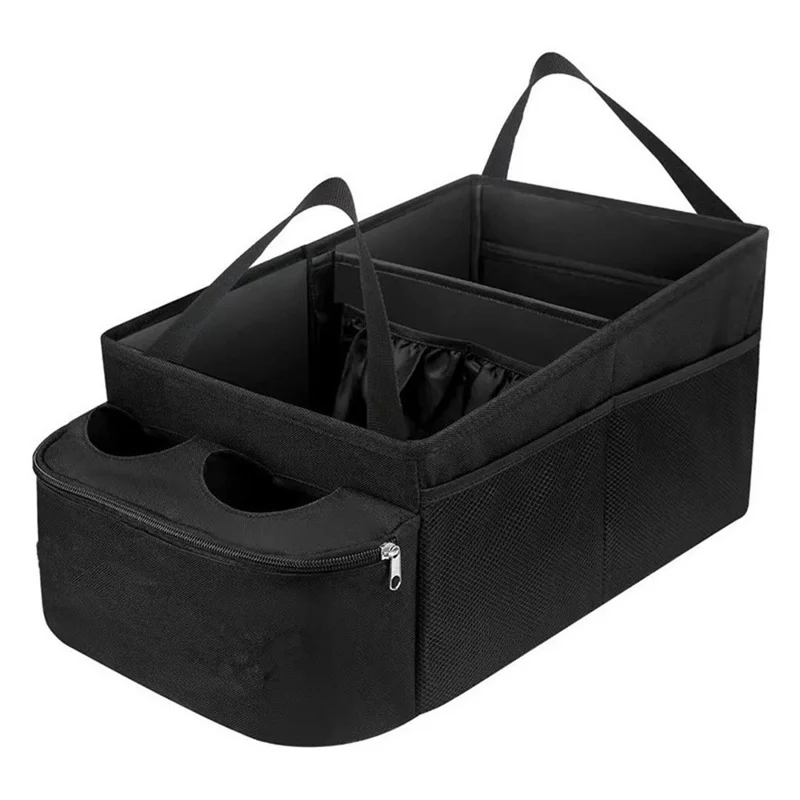
Decide whether the organizer will mostly stay in the trunk or move between the vehicle and another location. Soft folding compartments, rigid inserts, lids, and cooler sections change that routine. Inspect the actual dividers and base rather than assuming every compartment in a photo is supplied. An organizer can arrange cargo, but that does not establish collision protection or a rated cargo-restraint function. Check any supplied straps and their stated purpose, and keep claims about carrying or securing loads tied to documented information.
Describe the everyday task first
Write a short description of when and where you expect to use the item. Include who will handle it, how often it will be put away, and what makes your current routine inconvenient. That description helps separate a useful feature from an attractive extra. A more complicated construction is not automatically better if it adds steps you will rarely use. Conversely, a simple product may be a poor match if an essential access point or adjustment is missing.
Look closely at the actual construction
Read the description alongside close-up photographs of the outer panels, dividers, base, handles, straps, and any removable insert. Identify which features are shown clearly and which exist only in a caption. A feature pictured on another color or another model should not silently become part of the item you select. If a listing does not identify a part, ask what it is and whether it belongs in the package. An understandable assembly is a better starting point than a collection of impressive but disconnected marketing claims.
Connect every specification to the offered version
Keep the model reference beside the dimensions, material, color, quantity, and price. Similar names can hide different sizes or packages. A supplier may also show a family of products in one gallery. Before making a comparison, confirm which row of the specification applies to the version you intend to order. If an option changes the construction or accessories, record that change explicitly instead of treating it as a cosmetic choice.
Treat included pieces as part of the comparison
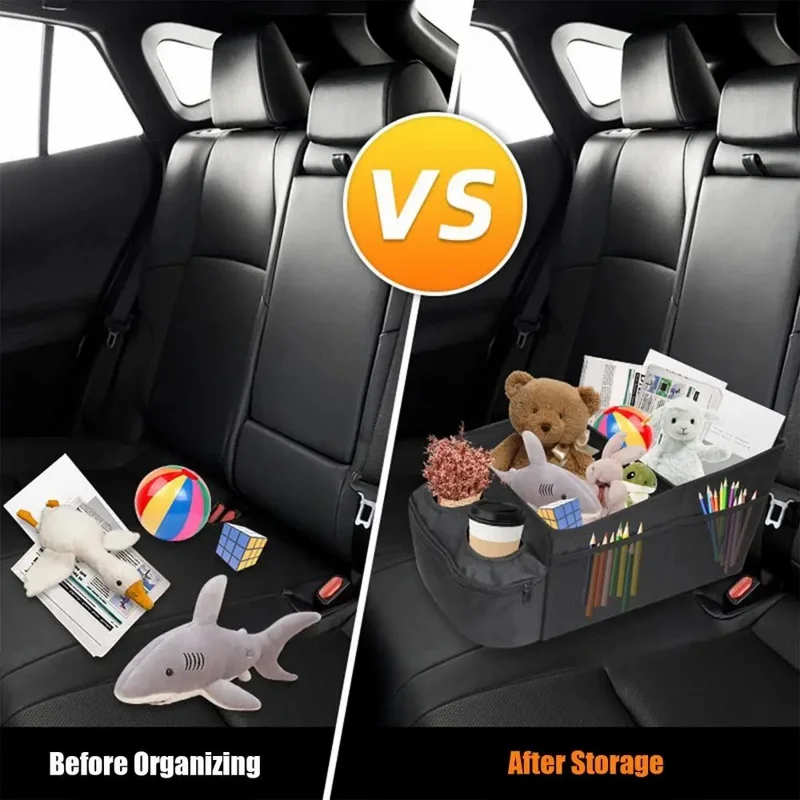
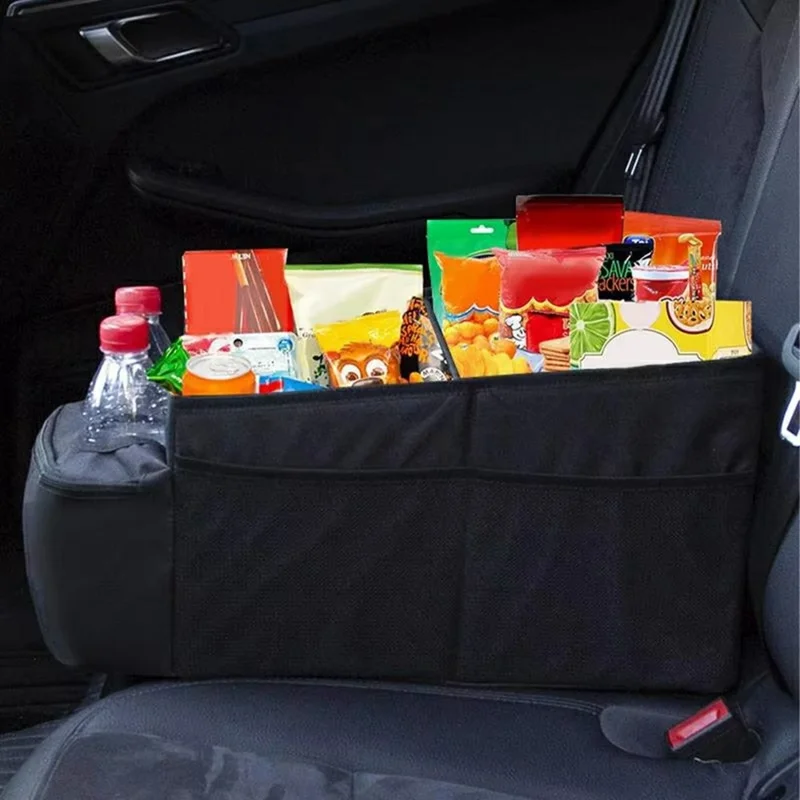
Ask for a package list. Objects staged around a product are not necessarily included, and a photograph of multiple items does not establish a multipack. Check whether removable pieces, fasteners, adapters, lids, or other accessories have separate item references. Compare the complete offered set rather than only its starting price. The same reasoning applies when a sample, an accessory-free version, or a bulk quantity is priced differently from the configuration you actually need.
Read the care and return information early
Before choosing, read the instructions relevant to sorting everyday cargo and packing the organizer away. Consider whether the required care fits your household and storage arrangement. Then check the seller’s real return conditions for the exact order, including the time window, permitted condition, return destination, and responsibility for costs. Do not substitute a broad marketplace badge for the actual terms. A useful purchase decision accounts for how the product will be maintained and what happens if the supplied version is wrong.
One related decision worth checking
Compare the actual open layout, divider arrangement, folded thickness, and accessories. A two-compartment organizer, a three-compartment bag, and a product with an insulated insert should not share a single image set or specification. Check whether handles, lids, hooks, and removable coolers are included in the quoted price. Avoid treating phrases such as heavy duty or waterproof as measurements. A useful comparison explains how the specific construction fits your cargo routine and distinguishes organization features from any independently documented securing function.
Questions to settle before ordering
Which information should match the order?
The model reference, selected size or color, material, included pieces, and offered quantity should describe the same version. Keep the product page and the seller’s written clarification together. A model change or accessory change deserves a fresh check, even when the product name is nearly identical.
Can photographs replace a clear specification?
Photographs are useful for understanding construction and context, but they cannot reliably establish an exact measurement, a material formulation, or a performance rating. Ask for the missing specification or instruction. A correct photograph and a clear written description should support each other instead of requiring you to guess which one is accurate.
What if the listing leaves a meaningful question unanswered?
Describe the question precisely and ask the seller to identify the relevant model and part. If the answer would change your choice, resolve it before ordering. A documented answer is more useful than a broad reassurance that a whole product family is suitable for everyone.
Related product information
- Car Trunk Organizer Felt Cloth Collapsible Trunk Tools Box
- 59X17X24cm Car Trunk Organizer Foldable Multi-Compartment Felt Storage Bag for Auto Organization
- Folding Car Trunk Organizer Large Capacity Oxford Cloth Auto Storage Box – 40L
Measuring for Car Trunk Organizers: Fit, Space, and Size Choices
A product can look right in a photograph and still be inconvenient in the space where it will be used. Choosing a car trunk organizer is easier when you separate its outside footprint from its usable area and the clearance needed to operate or store it. The aim is not to collect the largest number of measurements, but to connect the right measurements to the exact model.
A closer look at this product category
Measure the flat usable area between obstacles such as wheel housings and interior trim. Consider the tailgate or trunk opening and the access you need to storage panels or other vehicle equipment. Compare the organizer’s open dimensions with that footprint and the folded dimensions with its storage location. Check whether expandable sections change the outside size. A product pictured in a large cargo area does not establish fit in every vehicle. Dividers and insulated inserts can also reduce the interior room available for bags or groceries.
Measure the place before choosing a size
Start with the vehicle’s usable cargo floor. Make a simple sketch and label fixed boundaries, openings, and any object that cannot move. Record measurements in one unit first, then convert carefully if the product description uses another. Keep the original numbers so you can check the conversion. Do not measure only the widest open area if the item must pass through a narrower opening or be positioned around an obstruction.
Separate outside dimensions from useful space
For this category, compare open and folded dimensions, compartment sizes, and the planned cargo-floor footprint. The area an object occupies is not always the area available for its task. Frames, borders, walls, handles, and attached pieces can reduce useful space or increase the outside footprint. Ask what the dimensions describe when a diagram is unclear. A number without an orientation or a named part is incomplete information, even when it appears in a detailed specification table.
Allow for the movement the design requires
Think through the full routine rather than the resting position alone. An item may need room to open, slide, unfold, adjust, lift, or come apart. Storage clearance and operating clearance are different questions. Check the manufacturer’s instructions before deciding what is sufficient. When comparing a staged photo with your sketch, use the photo to understand the arrangement, not to estimate an exact distance from surrounding props.
Keep size and model references together
Use a separate line for each offered size or construction. Attach its model reference, finished dimensions, documented weight, and included pieces. If a seller provides one measurement table for several versions, confirm the relevant row. A color name alone does not establish the size, and a larger shipping carton does not establish a larger product. This small record prevents an attractive photograph from overriding the dimensions of the version in the order.
Plan the return to storage as well as the fit
Consider where the item will go when it is not being used and how you will reach it. Check any folded, closed, packed, or disassembled measurements only where the manufacturer provides them. Do not assume a construction can be compressed or dismantled beyond its instructions. If your fit depends on a narrow margin, obtain clarification before choosing. A practical fit includes access, movement, and storage, not simply a rectangle that fits on paper.
One related decision worth checking
Decide whether the organizer will mostly stay in the trunk or move between the vehicle and another location. Soft folding compartments, rigid inserts, lids, and cooler sections change that routine. Inspect the actual dividers and base rather than assuming every compartment in a photo is supplied. An organizer can arrange cargo, but that does not establish collision protection or a rated cargo-restraint function. Check any supplied straps and their stated purpose, and keep claims about carrying or securing loads tied to documented information.
Questions to settle before ordering
Which information should match the order?
The model reference, selected size or color, material, included pieces, and offered quantity should describe the same version. Keep the product page and the seller’s written clarification together. A model change or accessory change deserves a fresh check, even when the product name is nearly identical.
Can photographs replace a clear specification?
Photographs are useful for understanding construction and context, but they cannot reliably establish an exact measurement, a material formulation, or a performance rating. Ask for the missing specification or instruction. A correct photograph and a clear written description should support each other instead of requiring you to guess which one is accurate.
What if the listing leaves a meaningful question unanswered?
Describe the question precisely and ask the seller to identify the relevant model and part. If the answer would change your choice, resolve it before ordering. A documented answer is more useful than a broad reassurance that a whole product family is suitable for everyone.
Related product information
- Car Trunk Organizer Felt Cloth Collapsible Trunk Tools Box
- 59X17X24cm Car Trunk Organizer Foldable Multi-Compartment Felt Storage Bag for Auto Organization
- Folding Car Trunk Organizer Large Capacity Oxford Cloth Auto Storage Box – 40L
Using a Car Trunk Organizer: A Clear Everyday Routine
An easy routine comes from understanding the exact product in front of you. A car trunk organizer may share a familiar shape with several other models while having different parts, controls, or setup requirements. Use this guide to organize the questions and checks that belong around the manufacturer’s instructions. It is a planning guide, not a substitute manual for an unidentified version.
A closer look at this product category
Identify the intended base, dividers, and fastening arrangement from the specific instructions. Set up the organizer before loading it and distribute items according to any documented limits. Keep necessary vehicle access and visibility clear. A strap or hook should be used only in an approved location and for its stated purpose; an accessory organizer is not automatically a tested restraint. Recheck the arrangement after changing the cargo or folding sections. Treat a separate cooler insert according to its own instructions rather than assuming it shares the outer bag’s features.
Identify the model and supplied pieces
Start with the product label, package list, and instructions. Compare the actual item with the diagrams, including the outer panels, dividers, base, handles, straps, and any removable insert. Check that the supplied components belong together and that the instructions identify the same model. If a piece is missing or the construction differs from the listing, obtain clarification before improvising. Photographs of another version can help explain a question to a supplier, but they do not authorize a different assembly or operating procedure.
Prepare the intended place for the task
Look at the vehicle’s usable cargo floor and remove obstacles that would make setup, observation, or cleanup awkward. Keep relevant access points available. Follow the manufacturer’s requirements for positioning and any surrounding clearance. A well-styled supplier scene should not replace those requirements; props may be present for photography rather than normal operation. The useful goal is a setup in which the item can be handled as instructed and checked easily during ordinary use.
Follow the sequence for this construction
Read the steps for sorting everyday cargo and packing the organizer away before beginning. Identify the starting and stopping points and any part that must be checked between them. If the instructions leave a step unclear, ask for a model-specific explanation instead of combining instructions from unrelated products. Features such as a lock, valve, latch, adjustment, or removable section can work differently across models that look alike. Avoid promising a universal procedure where the construction has not been confirmed.
Observe the first routine without making broad claims
During an initial permitted use, pay attention to the actual fit, access, handling, and cleanup steps. A brief successful demonstration does not establish a long-term performance guarantee. Likewise, a promotional scene does not establish suitability for every household, material, animal, vehicle, or environment. Keep questions tied to something observable and specific: an opening, a part, a dimension, a control, or an instruction. That makes any follow-up with the supplier more useful.
Finish with the documented shutdown and storage steps
Complete the manufacturer’s stopping, emptying, disconnection, cooling, drying, or folding steps as applicable to the model. Return components to their intended arrangement and check for visible damage where the instructions direct. Keep the manual and part references with the item or in an accessible record. If your routine reveals a mismatch with the advertised version, preserve the model and order information when contacting the seller rather than modifying the product to make it resemble a different listing.
One related decision worth checking
Measure the flat usable area between obstacles such as wheel housings and interior trim. Consider the tailgate or trunk opening and the access you need to storage panels or other vehicle equipment. Compare the organizer’s open dimensions with that footprint and the folded dimensions with its storage location. Check whether expandable sections change the outside size. A product pictured in a large cargo area does not establish fit in every vehicle. Dividers and insulated inserts can also reduce the interior room available for bags or groceries.
Questions to settle before ordering
Which information should match the order?
The model reference, selected size or color, material, included pieces, and offered quantity should describe the same version. Keep the product page and the seller’s written clarification together. A model change or accessory change deserves a fresh check, even when the product name is nearly identical.
Can photographs replace a clear specification?
Photographs are useful for understanding construction and context, but they cannot reliably establish an exact measurement, a material formulation, or a performance rating. Ask for the missing specification or instruction. A correct photograph and a clear written description should support each other instead of requiring you to guess which one is accurate.
What if the listing leaves a meaningful question unanswered?
Describe the question precisely and ask the seller to identify the relevant model and part. If the answer would change your choice, resolve it before ordering. A documented answer is more useful than a broad reassurance that a whole product family is suitable for everyone.
Related product information
- Car Trunk Organizer Felt Cloth Collapsible Trunk Tools Box
- 59X17X24cm Car Trunk Organizer Foldable Multi-Compartment Felt Storage Bag for Auto Organization
- Folding Car Trunk Organizer Large Capacity Oxford Cloth Auto Storage Box – 40L
Cleaning and Caring for Car Trunk Organizers: What to Check First
Care instructions belong to a particular material and construction, not just a product category. With a car trunk organizer, a visually similar version can have a different backing, coating, fastener, electrical component, or removable part. A careful routine begins by finding the right instructions and separating ordinary cleaning from repair. This guide explains what to document before choosing a method.
A closer look at this product category
Empty all compartments and remove inserts only where the design permits. Follow care directions for the outer fabric, structural panels, backing, and any insulated component. Moisture left inside a folded unit can be easy to overlook, so follow drying instructions before storage. Inspect handles, dividers, and supplied straps while the organizer is empty. If a panel is distorted or a handle is damaged, obtain guidance rather than relying on a photograph of a heavier load in another model. Cleaning does not restore a missing load specification.
Read the material and assembly information together
Check the listed material, the care label, and the manufacturer’s instructions for the outer panels, dividers, base, handles, straps, and any removable insert. An instruction for one removable part may not apply to the complete assembly. Likewise, a description of the main material may omit a backing, insert, trim, seal, coating, or piece of hardware. If the care method depends on those details, ask for clarification tied to the model. Do not infer temperature tolerance, chemical resistance, or machine compatibility from appearance alone.
Prepare the item using its own instructions
Identify what must be emptied, removed, disconnected, cooled, or otherwise prepared before cleaning. Use the sequence given for the actual model rather than guessing from a related item. Set small permitted removable parts somewhere they can be kept together. Take note of their orientation when the instructions allow removal. The purpose is to make cleaning manageable without creating a second problem through misplaced parts, forced connections, or an undocumented disassembly.
Choose only a supported cleaning method
Match the method to the care label and any stated limits on water, detergent, tools, temperature, and drying. Terms such as washable, easy clean, and wipe clean do not all mean the same thing. A supplier should be able to explain what its statement covers. Avoid adding a stronger cleaner, more heat, or a more aggressive tool when the original method is unclear. Ask for the missing instruction instead of treating an unsupported method as an improvement.
Inspect the working parts before returning to use
After the documented cleaning and drying steps, inspect the relevant seams, edges, moving pieces, controls, or attachments. Look for changes that make the item differ from the condition described in its instructions. Follow the manufacturer’s advice about replacement or repair; cleaning cannot restore a cracked part, damaged wire, loosened connection, or missing piece. Keep any replacement part tied to its correct model reference. Similar dimensions or colors do not establish that an unrelated part is compatible.
Build a routine around actual use
Choose inspection and care timing using the manufacturer’s directions and the way the item is actually used, rather than inventing a universal schedule. Consider how sorting everyday cargo and packing the organizer away leaves debris, moisture, or wear on the parts that matter. Store the item in the way its instructions permit. Keep the care label and supplier’s written clarifications available so the same assumptions do not have to be made again. A practical routine is repeatable, understandable, and supported by the product’s own information.
One related decision worth checking
Identify the intended base, dividers, and fastening arrangement from the specific instructions. Set up the organizer before loading it and distribute items according to any documented limits. Keep necessary vehicle access and visibility clear. A strap or hook should be used only in an approved location and for its stated purpose; an accessory organizer is not automatically a tested restraint. Recheck the arrangement after changing the cargo or folding sections. Treat a separate cooler insert according to its own instructions rather than assuming it shares the outer bag’s features.
Questions to settle before ordering
Which information should match the order?
The model reference, selected size or color, material, included pieces, and offered quantity should describe the same version. Keep the product page and the seller’s written clarification together. A model change or accessory change deserves a fresh check, even when the product name is nearly identical.
Can photographs replace a clear specification?
Photographs are useful for understanding construction and context, but they cannot reliably establish an exact measurement, a material formulation, or a performance rating. Ask for the missing specification or instruction. A correct photograph and a clear written description should support each other instead of requiring you to guess which one is accurate.
What if the listing leaves a meaningful question unanswered?
Describe the question precisely and ask the seller to identify the relevant model and part. If the answer would change your choice, resolve it before ordering. A documented answer is more useful than a broad reassurance that a whole product family is suitable for everyone.
Related product information
- Car Trunk Organizer Felt Cloth Collapsible Trunk Tools Box
- 59X17X24cm Car Trunk Organizer Foldable Multi-Compartment Felt Storage Bag for Auto Organization
- Folding Car Trunk Organizer Large Capacity Oxford Cloth Auto Storage Box – 40L
Comparing Car Trunk Organizers: Models, Materials, and Included Features
A useful comparison explains which physical differences matter to the routine you have in mind. It does not combine the most appealing claims from several listings into an imaginary perfect product. When comparing a car trunk organizer, keep each model, picture set, specification, and offered package separate. The following approach makes differences easier to check without relying on unsupported rankings.
A closer look at this product category
Compare the actual open layout, divider arrangement, folded thickness, and accessories. A two-compartment organizer, a three-compartment bag, and a product with an insulated insert should not share a single image set or specification. Check whether handles, lids, hooks, and removable coolers are included in the quoted price. Avoid treating phrases such as heavy duty or waterproof as measurements. A useful comparison explains how the specific construction fits your cargo routine and distinguishes organization features from any independently documented securing function.
Start with the same task for every option
Write down the task and the space in which each option will be used. Include the vehicle’s usable cargo floor, access requirements, storage, and the person who will handle the item. Compare every model against that same description. Otherwise, it is easy to favor one item for a feature that solves a different problem. A comparison should help you decide between suitable constructions, not make unrelated products look equivalent because they share a keyword.
Compare the physical construction first
Look at the outer panels, dividers, base, handles, straps, and any removable insert for each version. Record whether components are fixed, removable, adjustable, or absent, using the supplier’s actual information. A similar silhouette does not establish identical internal construction or materials. If two listings use the same pictures but give different models or specifications, ask for clarification before treating them as separate verified options. A family gallery can explain a range of products while still being insufficient to document a particular orderable item.
Normalize dimensions and package quantities
Place open and folded dimensions, compartment sizes, and the planned cargo-floor footprint in the same units. Distinguish finished product measurements from shipping-package measurements and single-item weight from set weight. Then list what is included with each price. A pair, a multipack, an accessory-free version, and a complete set need different comparisons. Do not silently add an accessory from a staged photograph. Keeping quantity and dimensions explicit is usually more informative than treating the lowest displayed starting price as the best value.
Evaluate claims according to their evidence
Separate a visible feature from a performance claim. You can observe the presence of an opening or an extra panel in a correct product photograph, but that photograph may not establish load capacity, leak resistance, durability, safety performance, or compatibility. Ask which test, instruction, or specification supports a relevant claim and whether it applies to the offered model. Do not assume every option inherits a certificate, feature, or guarantee mentioned elsewhere in the supplier’s catalog.
Include the ownership routine in the decision
Compare the instructions for setup, sorting everyday cargo and packing the organizer away, cleaning, storage, and replacement parts. An option that appears simpler in a product card may have a care requirement that matters in everyday use. Read the actual seller’s delivery and return information as well. The final choice should connect the physical construction to a workable routine and a clearly defined offered package. Avoid assigning an overall winner where the remaining differences are preferences or where important information is still missing.
One related decision worth checking
Empty all compartments and remove inserts only where the design permits. Follow care directions for the outer fabric, structural panels, backing, and any insulated component. Moisture left inside a folded unit can be easy to overlook, so follow drying instructions before storage. Inspect handles, dividers, and supplied straps while the organizer is empty. If a panel is distorted or a handle is damaged, obtain guidance rather than relying on a photograph of a heavier load in another model. Cleaning does not restore a missing load specification.
Questions to settle before ordering
Which information should match the order?
The model reference, selected size or color, material, included pieces, and offered quantity should describe the same version. Keep the product page and the seller’s written clarification together. A model change or accessory change deserves a fresh check, even when the product name is nearly identical.
Can photographs replace a clear specification?
Photographs are useful for understanding construction and context, but they cannot reliably establish an exact measurement, a material formulation, or a performance rating. Ask for the missing specification or instruction. A correct photograph and a clear written description should support each other instead of requiring you to guess which one is accurate.
What if the listing leaves a meaningful question unanswered?
Describe the question precisely and ask the seller to identify the relevant model and part. If the answer would change your choice, resolve it before ordering. A documented answer is more useful than a broad reassurance that a whole product family is suitable for everyone.