How to Choose Car Trunk Organizers: A Practical Buying Guide
A good purchase begins with a clear description of the job you need an item to do. With a car trunk organizer, the most useful details are often less dramatic than the headline: the construction, the fit, the included pieces, and the instructions that make everyday use manageable. This guide explains how to turn a long list of features into questions you can answer before choosing a model.
A closer look at this product category
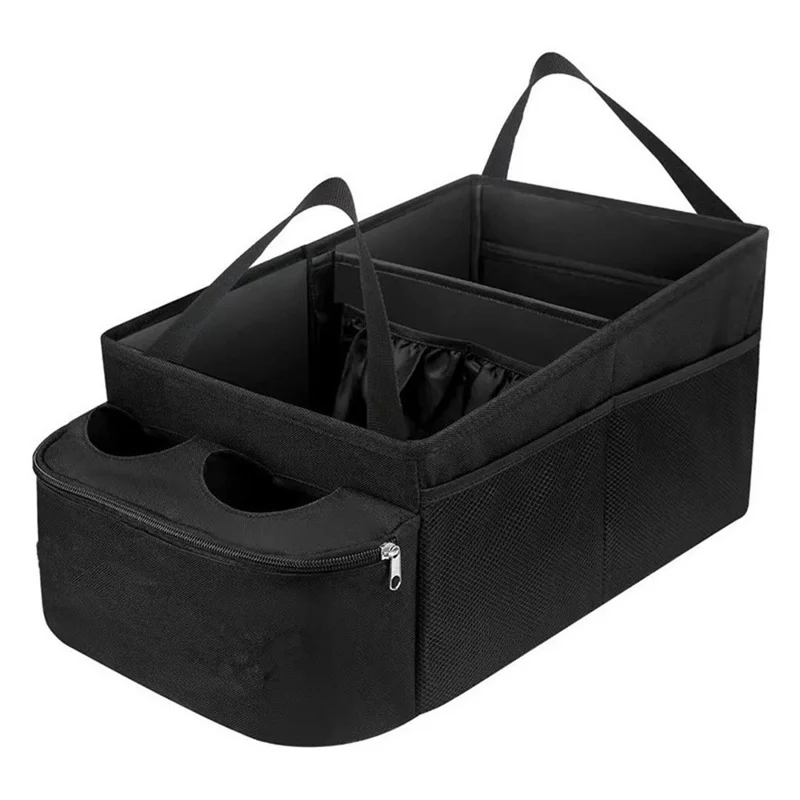
Decide whether the organizer will mostly stay in the trunk or move between the vehicle and another location. Soft folding compartments, rigid inserts, lids, and cooler sections change that routine. Inspect the actual dividers and base rather than assuming every compartment in a photo is supplied. An organizer can arrange cargo, but that does not establish collision protection or a rated cargo-restraint function. Check any supplied straps and their stated purpose, and keep claims about carrying or securing loads tied to documented information.
Describe the everyday task first
Write a short description of when and where you expect to use the item. Include who will handle it, how often it will be put away, and what makes your current routine inconvenient. That description helps separate a useful feature from an attractive extra. A more complicated construction is not automatically better if it adds steps you will rarely use. Conversely, a simple product may be a poor match if an essential access point or adjustment is missing.
Look closely at the actual construction
Read the description alongside close-up photographs of the outer panels, dividers, base, handles, straps, and any removable insert. Identify which features are shown clearly and which exist only in a caption. A feature pictured on another color or another model should not silently become part of the item you select. If a listing does not identify a part, ask what it is and whether it belongs in the package. An understandable assembly is a better starting point than a collection of impressive but disconnected marketing claims.
Connect every specification to the offered version
Keep the model reference beside the dimensions, material, color, quantity, and price. Similar names can hide different sizes or packages. A supplier may also show a family of products in one gallery. Before making a comparison, confirm which row of the specification applies to the version you intend to order. If an option changes the construction or accessories, record that change explicitly instead of treating it as a cosmetic choice.
Treat included pieces as part of the comparison
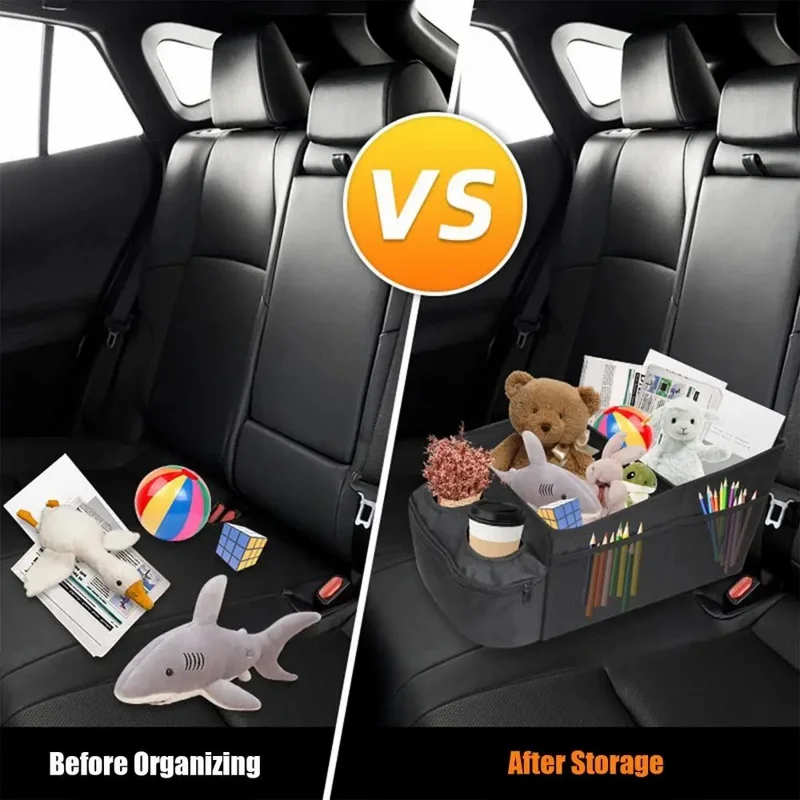
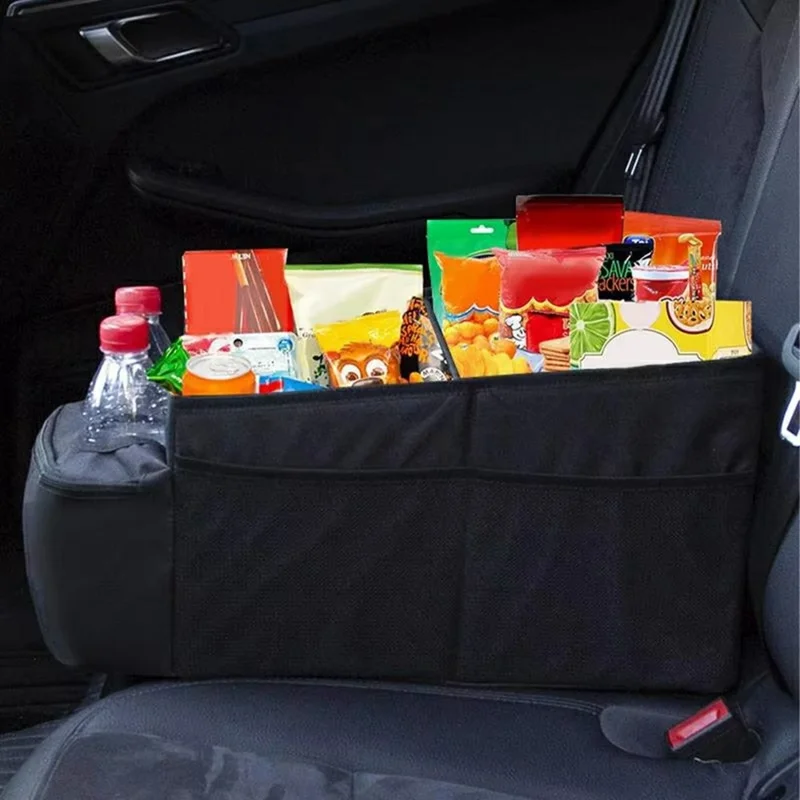
Ask for a package list. Objects staged around a product are not necessarily included, and a photograph of multiple items does not establish a multipack. Check whether removable pieces, fasteners, adapters, lids, or other accessories have separate item references. Compare the complete offered set rather than only its starting price. The same reasoning applies when a sample, an accessory-free version, or a bulk quantity is priced differently from the configuration you actually need.
Read the care and return information early
Before choosing, read the instructions relevant to sorting everyday cargo and packing the organizer away. Consider whether the required care fits your household and storage arrangement. Then check the seller’s real return conditions for the exact order, including the time window, permitted condition, return destination, and responsibility for costs. Do not substitute a broad marketplace badge for the actual terms. A useful purchase decision accounts for how the product will be maintained and what happens if the supplied version is wrong.
One related decision worth checking
Compare the actual open layout, divider arrangement, folded thickness, and accessories. A two-compartment organizer, a three-compartment bag, and a product with an insulated insert should not share a single image set or specification. Check whether handles, lids, hooks, and removable coolers are included in the quoted price. Avoid treating phrases such as heavy duty or waterproof as measurements. A useful comparison explains how the specific construction fits your cargo routine and distinguishes organization features from any independently documented securing function.
Questions to settle before ordering
Which information should match the order?
The model reference, selected size or color, material, included pieces, and offered quantity should describe the same version. Keep the product page and the seller’s written clarification together. A model change or accessory change deserves a fresh check, even when the product name is nearly identical.
Can photographs replace a clear specification?
Photographs are useful for understanding construction and context, but they cannot reliably establish an exact measurement, a material formulation, or a performance rating. Ask for the missing specification or instruction. A correct photograph and a clear written description should support each other instead of requiring you to guess which one is accurate.
What if the listing leaves a meaningful question unanswered?
Describe the question precisely and ask the seller to identify the relevant model and part. If the answer would change your choice, resolve it before ordering. A documented answer is more useful than a broad reassurance that a whole product family is suitable for everyone.