Using a Car Trunk Organizer: A Clear Everyday Routine
An easy routine comes from understanding the exact product in front of you. A car trunk organizer may share a familiar shape with several other models while having different parts, controls, or setup requirements. Use this guide to organize the questions and checks that belong around the manufacturer’s instructions. It is a planning guide, not a substitute manual for an unidentified version.
A closer look at this product category
Identify the intended base, dividers, and fastening arrangement from the specific instructions. Set up the organizer before loading it and distribute items according to any documented limits. Keep necessary vehicle access and visibility clear. A strap or hook should be used only in an approved location and for its stated purpose; an accessory organizer is not automatically a tested restraint. Recheck the arrangement after changing the cargo or folding sections. Treat a separate cooler insert according to its own instructions rather than assuming it shares the outer bag’s features.
Identify the model and supplied pieces
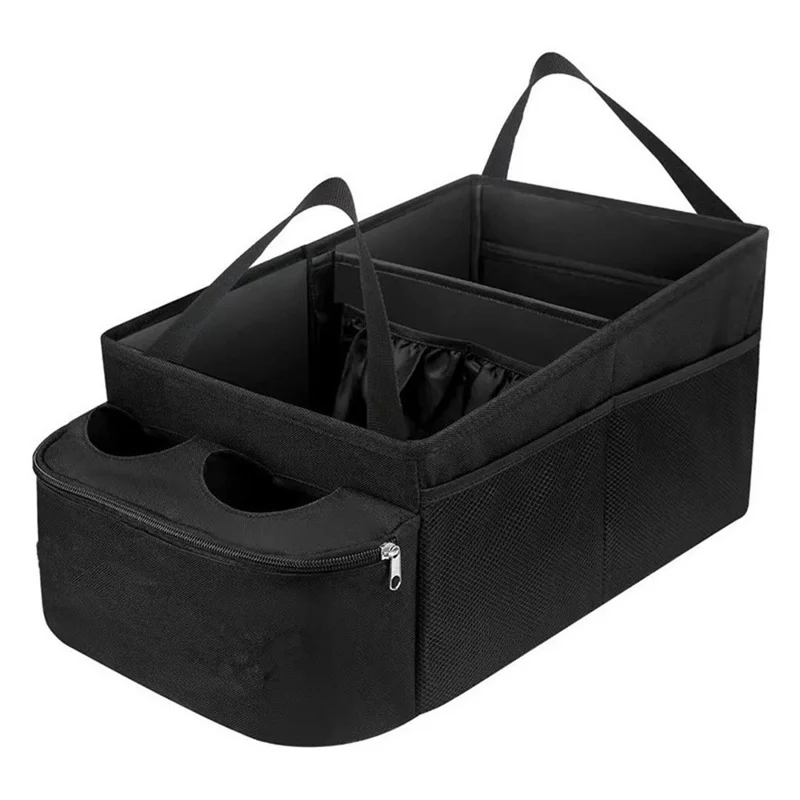
Start with the product label, package list, and instructions. Compare the actual item with the diagrams, including the outer panels, dividers, base, handles, straps, and any removable insert. Check that the supplied components belong together and that the instructions identify the same model. If a piece is missing or the construction differs from the listing, obtain clarification before improvising. Photographs of another version can help explain a question to a supplier, but they do not authorize a different assembly or operating procedure.
Prepare the intended place for the task
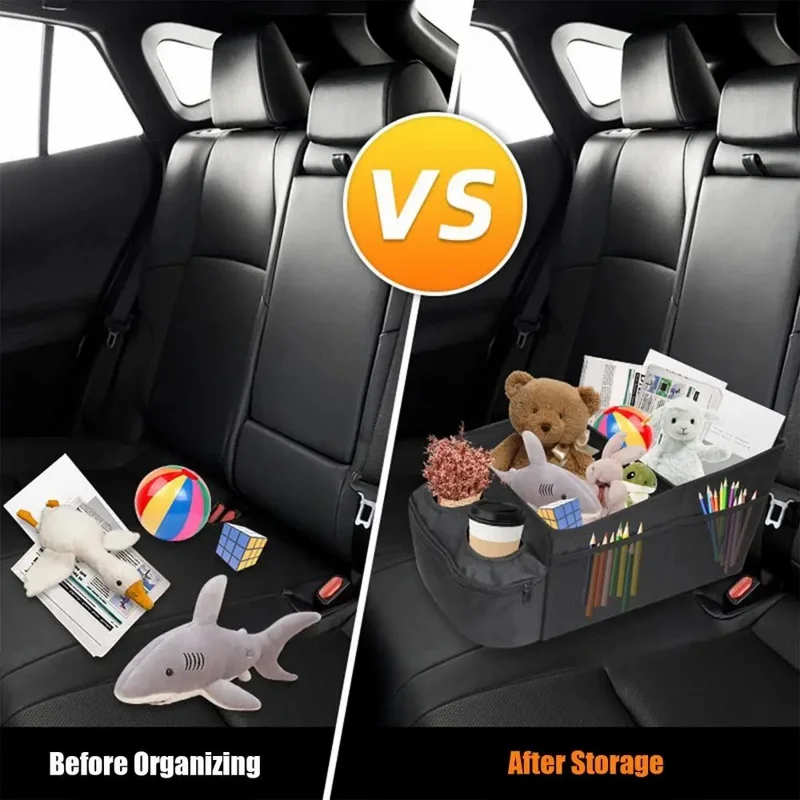
Look at the vehicle’s usable cargo floor and remove obstacles that would make setup, observation, or cleanup awkward. Keep relevant access points available. Follow the manufacturer’s requirements for positioning and any surrounding clearance. A well-styled supplier scene should not replace those requirements; props may be present for photography rather than normal operation. The useful goal is a setup in which the item can be handled as instructed and checked easily during ordinary use.
Follow the sequence for this construction
Read the steps for sorting everyday cargo and packing the organizer away before beginning. Identify the starting and stopping points and any part that must be checked between them. If the instructions leave a step unclear, ask for a model-specific explanation instead of combining instructions from unrelated products. Features such as a lock, valve, latch, adjustment, or removable section can work differently across models that look alike. Avoid promising a universal procedure where the construction has not been confirmed.
Observe the first routine without making broad claims
During an initial permitted use, pay attention to the actual fit, access, handling, and cleanup steps. A brief successful demonstration does not establish a long-term performance guarantee. Likewise, a promotional scene does not establish suitability for every household, material, animal, vehicle, or environment. Keep questions tied to something observable and specific: an opening, a part, a dimension, a control, or an instruction. That makes any follow-up with the supplier more useful.
Finish with the documented shutdown and storage steps
Complete the manufacturer’s stopping, emptying, disconnection, cooling, drying, or folding steps as applicable to the model. Return components to their intended arrangement and check for visible damage where the instructions direct. Keep the manual and part references with the item or in an accessible record. If your routine reveals a mismatch with the advertised version, preserve the model and order information when contacting the seller rather than modifying the product to make it resemble a different listing.
One related decision worth checking
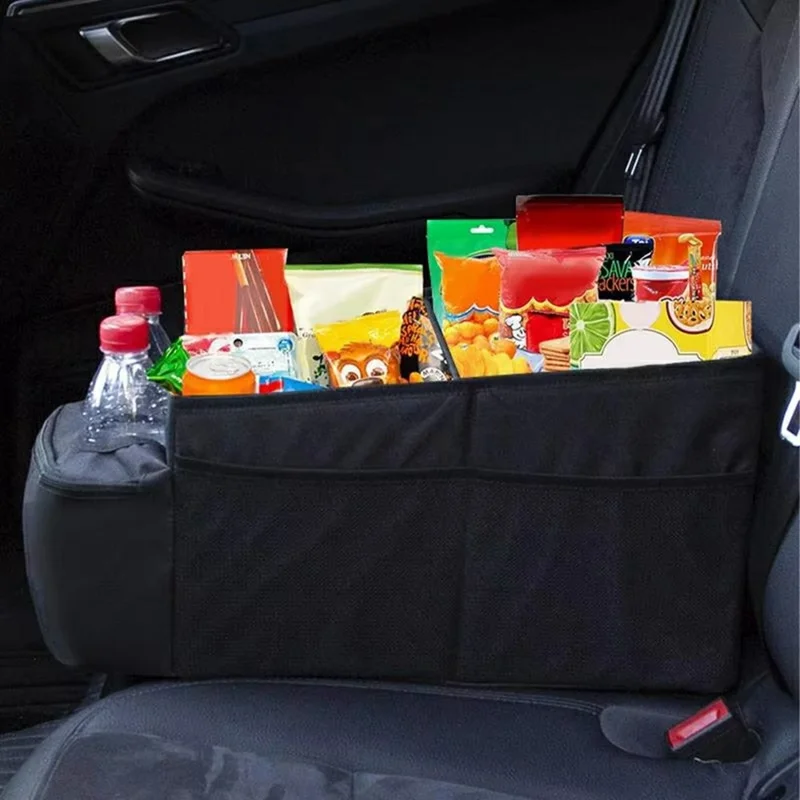
Measure the flat usable area between obstacles such as wheel housings and interior trim. Consider the tailgate or trunk opening and the access you need to storage panels or other vehicle equipment. Compare the organizer’s open dimensions with that footprint and the folded dimensions with its storage location. Check whether expandable sections change the outside size. A product pictured in a large cargo area does not establish fit in every vehicle. Dividers and insulated inserts can also reduce the interior room available for bags or groceries.
Questions to settle before ordering
Which information should match the order?
The model reference, selected size or color, material, included pieces, and offered quantity should describe the same version. Keep the product page and the seller’s written clarification together. A model change or accessory change deserves a fresh check, even when the product name is nearly identical.
Can photographs replace a clear specification?
Photographs are useful for understanding construction and context, but they cannot reliably establish an exact measurement, a material formulation, or a performance rating. Ask for the missing specification or instruction. A correct photograph and a clear written description should support each other instead of requiring you to guess which one is accurate.
What if the listing leaves a meaningful question unanswered?
Describe the question precisely and ask the seller to identify the relevant model and part. If the answer would change your choice, resolve it before ordering. A documented answer is more useful than a broad reassurance that a whole product family is suitable for everyone.