Measuring for Car Trunk Organizers: Fit, Space, and Size Choices
A product can look right in a photograph and still be inconvenient in the space where it will be used. Choosing a car trunk organizer is easier when you separate its outside footprint from its usable area and the clearance needed to operate or store it. The aim is not to collect the largest number of measurements, but to connect the right measurements to the exact model.
A closer look at this product category
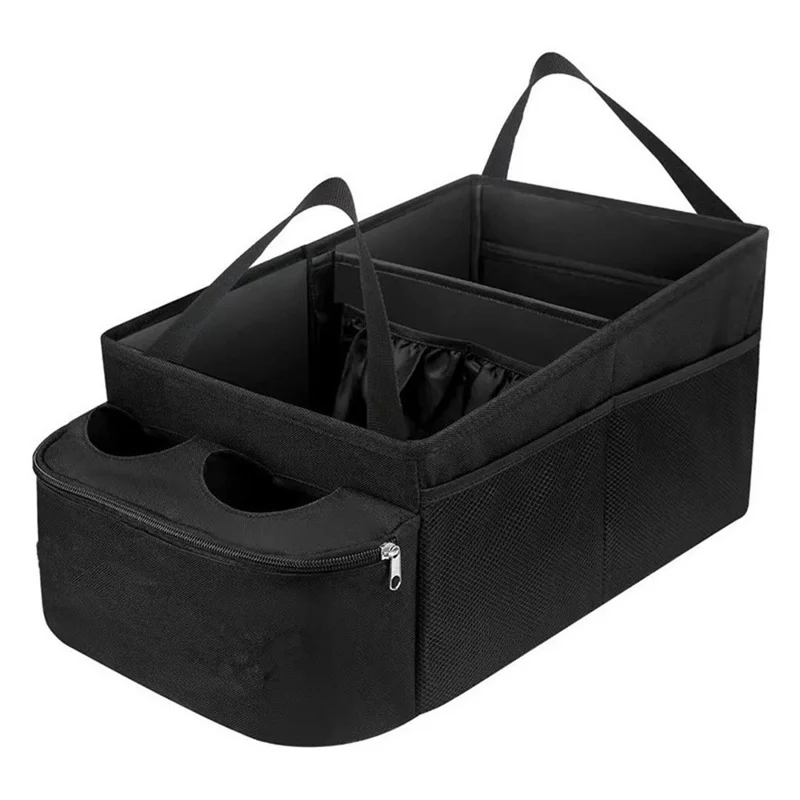
Measure the flat usable area between obstacles such as wheel housings and interior trim. Consider the tailgate or trunk opening and the access you need to storage panels or other vehicle equipment. Compare the organizer’s open dimensions with that footprint and the folded dimensions with its storage location. Check whether expandable sections change the outside size. A product pictured in a large cargo area does not establish fit in every vehicle. Dividers and insulated inserts can also reduce the interior room available for bags or groceries.
Measure the place before choosing a size
Start with the vehicle’s usable cargo floor. Make a simple sketch and label fixed boundaries, openings, and any object that cannot move. Record measurements in one unit first, then convert carefully if the product description uses another. Keep the original numbers so you can check the conversion. Do not measure only the widest open area if the item must pass through a narrower opening or be positioned around an obstruction.
Separate outside dimensions from useful space
For this category, compare open and folded dimensions, compartment sizes, and the planned cargo-floor footprint. The area an object occupies is not always the area available for its task. Frames, borders, walls, handles, and attached pieces can reduce useful space or increase the outside footprint. Ask what the dimensions describe when a diagram is unclear. A number without an orientation or a named part is incomplete information, even when it appears in a detailed specification table.
Allow for the movement the design requires
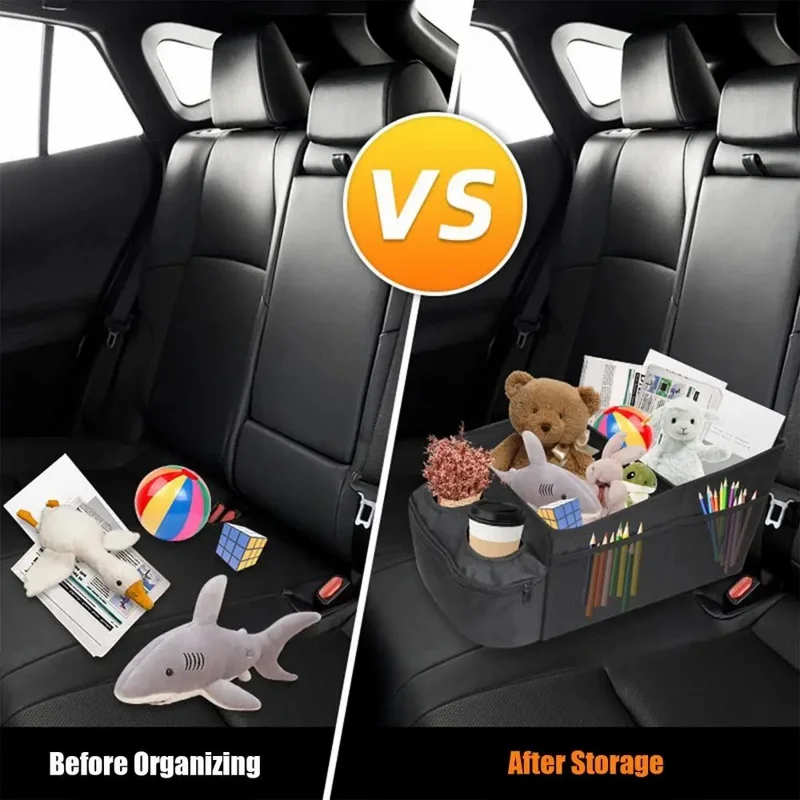
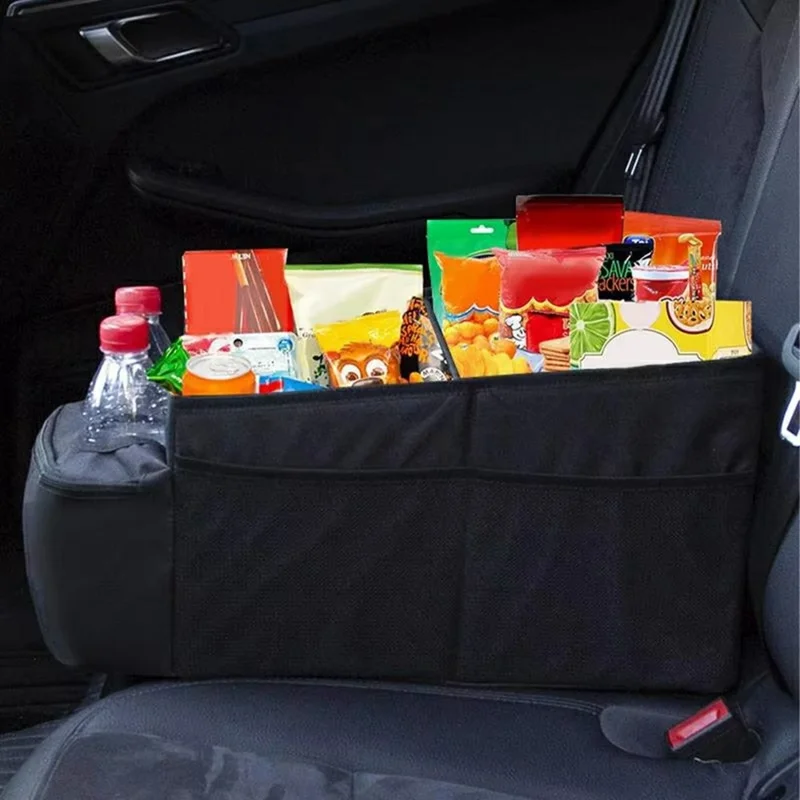
Think through the full routine rather than the resting position alone. An item may need room to open, slide, unfold, adjust, lift, or come apart. Storage clearance and operating clearance are different questions. Check the manufacturer’s instructions before deciding what is sufficient. When comparing a staged photo with your sketch, use the photo to understand the arrangement, not to estimate an exact distance from surrounding props.
Keep size and model references together
Use a separate line for each offered size or construction. Attach its model reference, finished dimensions, documented weight, and included pieces. If a seller provides one measurement table for several versions, confirm the relevant row. A color name alone does not establish the size, and a larger shipping carton does not establish a larger product. This small record prevents an attractive photograph from overriding the dimensions of the version in the order.
Plan the return to storage as well as the fit
Consider where the item will go when it is not being used and how you will reach it. Check any folded, closed, packed, or disassembled measurements only where the manufacturer provides them. Do not assume a construction can be compressed or dismantled beyond its instructions. If your fit depends on a narrow margin, obtain clarification before choosing. A practical fit includes access, movement, and storage, not simply a rectangle that fits on paper.
One related decision worth checking
Decide whether the organizer will mostly stay in the trunk or move between the vehicle and another location. Soft folding compartments, rigid inserts, lids, and cooler sections change that routine. Inspect the actual dividers and base rather than assuming every compartment in a photo is supplied. An organizer can arrange cargo, but that does not establish collision protection or a rated cargo-restraint function. Check any supplied straps and their stated purpose, and keep claims about carrying or securing loads tied to documented information.
Questions to settle before ordering
Which information should match the order?
The model reference, selected size or color, material, included pieces, and offered quantity should describe the same version. Keep the product page and the seller’s written clarification together. A model change or accessory change deserves a fresh check, even when the product name is nearly identical.
Can photographs replace a clear specification?
Photographs are useful for understanding construction and context, but they cannot reliably establish an exact measurement, a material formulation, or a performance rating. Ask for the missing specification or instruction. A correct photograph and a clear written description should support each other instead of requiring you to guess which one is accurate.
What if the listing leaves a meaningful question unanswered?
Describe the question precisely and ask the seller to identify the relevant model and part. If the answer would change your choice, resolve it before ordering. A documented answer is more useful than a broad reassurance that a whole product family is suitable for everyone.